
GP Surgery Premises Management: What It Covers, Why It Matters, and How to Get It Right
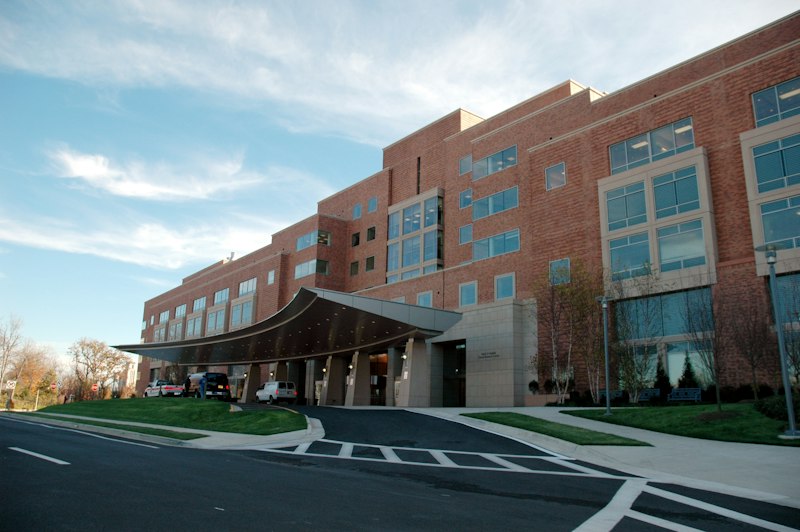
Half of GP practices in England are already operating from premises that do not meet their current needs. That is not a future risk. It is the present reality for thousands of practice managers trying to run a safe, compliant surgery from a building that was never designed for what they are being asked to do today.
GP surgery premises management is the function that sits between you and that risk. It covers planned preventative maintenance, reactive repairs, CQC compliance documentation, statutory risk assessments, NHS Property Services billing disputes, and capital funding applications. Most practices handle some of these things internally, partially, and reactively. The practices that get it right treat premises management as a single managed function rather than a collection of tasks that fall between the cracks.
50% of GP practices say their premises are unsuitable for current needs; 83% say they cannot meet future demand (BMA, 2025). 71% of GP main sites are over 26 years old. NHS Premises Costs Directions 2024 allow grants up to 100% of project value, but 42% of applications have been rejected since 2022.
What Does the State of the GP Estate Actually Look Like?
According to the BMA (2025), 50% of GP practices report their premises are unsuitable for their current needs, and 83% say their facilities cannot accommodate future demand. The BMA's 2025 data shows that 71% of GP main sites are over 26 years old. Buildings designed for a 1990s caseload are now serving a very different population with very different clinical needs. Electrical systems, water systems, and fire safety infrastructure degrade. Planned maintenance cycles deferred during funding squeezes accumulate into a backlog that eventually presents as either a regulatory finding or a clinical safety incident.
What Does GP Surgery Premises Management Actually Cover?
GP surgery premises management spans six distinct areas, each with its own regulatory requirements, documentation obligations, and failure risks.
Planned Preventative Maintenance
Planned preventative maintenance (PPM) is the scheduled servicing and inspection of all building systems and statutory plant. In a GP surgery, this includes fire alarm testing, emergency lighting checks, fire extinguisher servicing, boiler and HVAC servicing, legionella control flushing programmes, PAT testing, fixed-wire electrical inspection, and lift maintenance where applicable. Each generates a certificate or log that CQC, HSE, or your ICB may ask to see.
Reactive Maintenance
Reactive maintenance covers repairs to the building and its systems when something fails. Burst pipes, broken door closers, failed heating, damaged clinical surfaces, and faulty electrical sockets are all reactive maintenance events. A managed reactive maintenance service gives practices access to a qualified contractor for emergency and urgent repairs, with documented resolution records that can be produced during an inspection.
CQC Compliance Documentation
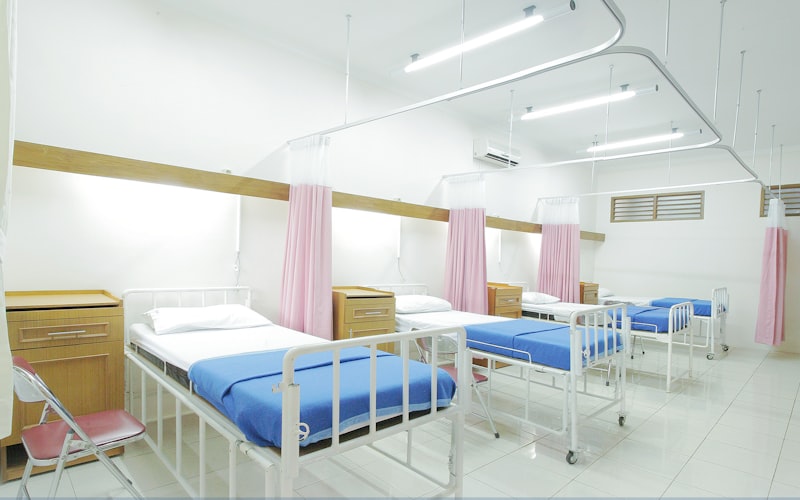
CQC's Safe key question covers the physical premises directly. Inspectors assess fire safety, legionella control, infection control infrastructure, COSHH management, electrical safety, and the general condition of the building. Premises compliance documentation is not a one-time exercise. It is a rolling programme of risk assessments, logs, certificates, and audits that must be kept current and accessible.
NHS Property Services Billing Dispute Support
For practices in NHS Property Services-managed buildings, billing disputes are a significant and often underestimated operational burden. According to the BMA (2025), 54% of NHS Property Services tenants report that billing disputes threaten the sustainability of their practice. Service charge bills are frequently inaccurate or based on apportionments that practices do not have the specialist knowledge to challenge effectively.
Capital Grant Application Support
The NHS Premises Costs Directions 2024 confirm that grants are now available up to 100% of project value for eligible works (NHS England, 2024). The barrier is application quality. The BMA (2025) reports that 42% of NHS capital grant applications have been rejected since 2022. Rejections are most commonly caused by incomplete business cases and failure to demonstrate that the proposed works address a specific compliance or capacity need.

What Happens When Premises Management Fails?
The consequences of inadequate premises management fall into four categories. CQC enforcement: a premises finding can pull a practice's overall rating to Requires Improvement regardless of performance across the other four domains. HSE investigation: the Health and Safety Executive has enforcement powers independent of CQC and can bring criminal prosecutions. Patient safety incidents: a Legionella outbreak, a fire, or a clinical environment that cannot be adequately cleaned are all real outcomes of deferred maintenance. NHSPS billing disputes: with 54% of tenants reporting sustainability-threatening disputes, unchallenged billing errors accumulate into significant financial losses.
In-House vs Outsourced: What Most Practices Get Wrong
Most GP practices do not make a deliberate decision to manage premises in-house. It happens by default. The practice manager handles compliance because no one else does. This is not a strategy. The in-house approach has a fundamental structural problem: the practice manager is being asked to maintain clinical governance, manage the GP partnership, handle HR, deal with NHS England relationships, and be a competent facilities manager at the same time.
Outsourcing premises management is not primarily a cost decision. It is a risk decision. The question is not "can we afford to outsource?" but "can we afford what happens when premises management fails?" The right question is whether your current approach to premises management would satisfy a CQC inspector, an HSE enforcement officer, and an ICB capital committee at the same time. If the honest answer is no, that is where the decision is made.
Releted Tags

Related Post
GP Surgery Refurbishment: The Complete Guide for Practice Managers (2025)
A GP surgery refurbishment is one of the largest capital decisions a practice will face. D…

CQC Compliance for GP Surgeries: What Practice Managers Need to Know in 2026
Most practice managers have their policies filed, their staff training logged, and their s…
Surgery Premises Group
Surgery Premises Group specialises in property management, compliance, and refurbishment for GP surgeries and dental practices across the UK. Our team writes on CQC compliance, statutory risk assessments, and clinical premises renovation to help practice managers keep their buildings safe, compliant, and fit for patient care.