
GP Surgery Refurbishment: The Complete Guide for Practice Managers (2025)
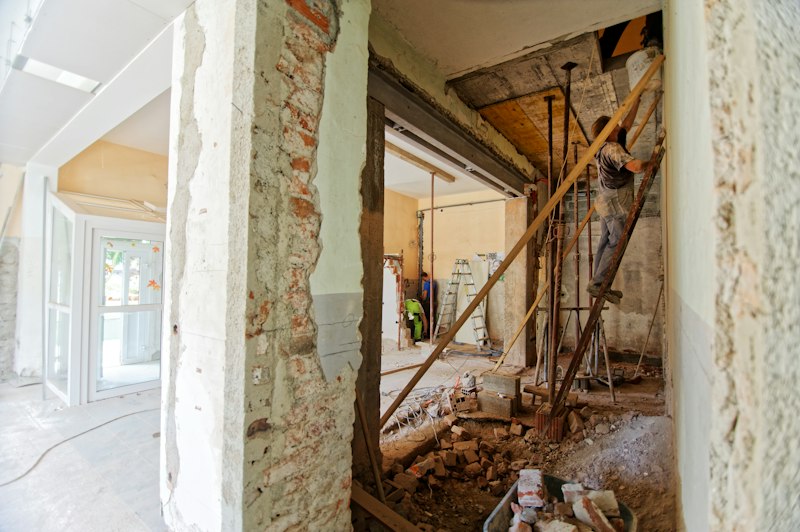
A GP surgery refurbishment is one of the largest capital decisions a practice will face. Done well, it increases patient capacity, satisfies CQC inspection requirements, and unlocks NHS funding you may not realise is available. Done badly, it costs twice as much, takes twice as long, and leaves clinical infrastructure that fails the next inspection.
The UK government has committed £102m to GP surgery estate improvements, with 1,027 practices already receiving PCUMF support. NHS capital grants can now cover up to 100% of eligible project costs. Refurbishment costs range from £600/m² for light works to over £3,300/m² for complex clinical environments.
What Triggers a GP Surgery Refurbishment?
Most refurbishments do not start with an ambitious vision. They start with a pressure point. According to the BMA, 50% of GP practices report that their premises are unsuitable for current clinical needs (Sept 2025). The trigger is usually one of four things:
- CQC inspection findings a Requires Improvement or Inadequate rating on premises-related standards forces the issue. The practice cannot defer; remediation becomes a compliance obligation with a timeline attached.
- Patient capacity pressure growing patient lists need more clinical rooms, larger waiting areas, and functional triage spaces. When appointment demand consistently exceeds what the physical building can support, refurbishment moves from aspiration to operational necessity.
- Ageing estate much of England's GP estate was built in the 1960s and 1970s. Electrical systems, ventilation, plumbing, and surface finishes degrade over decades.
- NHS funding rounds the opening of a new PCUMF or premises improvement grant round creates a use-it-or-lose-it situation. Practices that are ready with a business case secure funding.
What Does a GP Surgery Refurbishment Actually Cost?
Healthcare refurbishment costs in the UK range from £600 per square metre for light cosmetic and maintenance works to more than £3,300 per square metre for complex clinical environments requiring new infrastructure (Kova Interiors, Feb 2026). The three tiers break down as follows:
- Light refurbishment: £600–£1,200/m² redecoration, new flooring, minor joinery, updated fixtures, and basic M&E repairs. Suitable for practices where the fundamental building is sound.
- Mid-range refurbishment: £1,200–£2,000/m² room reconfiguration, upgraded ventilation and HVAC, new electrical distribution, compliant decontamination facilities, Part M accessibility improvements. Most PCUMF-funded projects fall in this range.
- Complex clinical refurbishment: £2,000–£3,300+/m² full structural remodelling, installation of clinical infrastructure from scratch, major M&E upgrades, or works on listed or heritage buildings.
Budget a minimum of 10–15% contingency on the construction cost. On a clinical building, finding the unexpected is not a risk it is a near-certainty once walls open. Practices that budget without contingency return to the ICB for additional funding mid-project, which delays completion and creates programme risk.
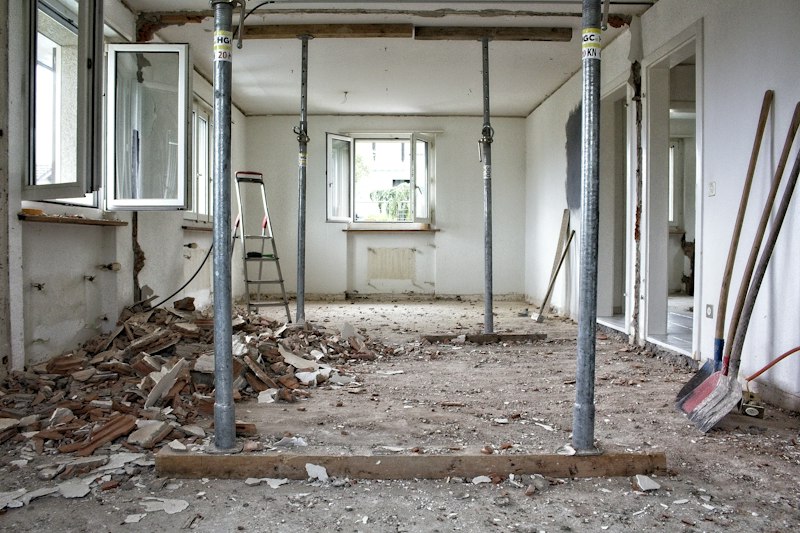
How Do You Access NHS Funding for a GP Surgery Refurbishment?
NHS capital grants can now cover up to 100% of eligible project costs, increased from the previous ceiling of 66% (NHS England, Oct 2024). The 2025/26 PCUMF round has been fully allocated across 1,027 practices in England (Pulse Today, 2025). The next programme cycle runs from 2026/27 to 2029/30 at £122m per annum. That funding does not arrive automatically you have to apply.
- Project Initiation Document (PID) your ICB will require a PID before any formal discussion of capital allocation. Frame it around patient outcomes and capacity data, not a list of building works.
- ICB capital planning window most ICBs hold capital planning rounds once or twice a year. Missing a window means waiting for the next cycle, typically 6–12 months.
- Competitive tendering grant-funded projects above OJEU thresholds require competitive procurement. Most NHS-funded refurbishments use a two-stage tender or a framework agreement.
- Notional rent implications where NHS funding pays for improvements to a leased premises, the District Valuer may reassess the notional rent upward. Understand the arithmetic before committing.
What CQC and HTM Compliance Requirements Apply to Your Refurbishment?
CQC and HTM compliance are not boxes to tick at the end of a refurbishment. They are design requirements that must be embedded in the specification from day one. Retrofitting compliance after a build is completed costs significantly more than specifying it correctly at the outset.
- HTM 01-05 (decontamination) governs dirty-to-clean flow layout, wash hand basin specification, autoclave positioning, ventilation rates, and surface finishes.
- Part M accessibility compliant entrance ramp gradients, accessible WC provision, door widths of at least 775mm clear opening, and lever-handle door furniture.
- Infection control infrastructure wash hand basin positioning in clinical rooms, cleanable surface materials, and flooring junctions that eliminate crevices.
- Ventilation (HTM 03-01) consulting rooms require a minimum of 6 air changes per hour. Treatment rooms may require more.

How Do You Choose the Right Contractor for a Clinical Refurbishment?
Most GP surgery refurbishments fail not because of bad decisions on scope or budget, but because of bad decisions on procurement. A generalist building contractor does not have the knowledge, the supply chain, or the clinical governance understanding to deliver a compliant clinical environment.
When evaluating a specialist contractor, ask specifically for references from GP surgery or primary care refurbishments not healthcare in general. Ask the contractor to describe how they would approach HTM 01-05 compliance on a decontamination room. If they do not know what you are referring to, they cannot deliver it. Look for a programme that accounts for clinical occupancy, as most GP practices cannot vacate the building for the duration of a refurbishment.
A GP surgery refurbishment is a two-to-three year project from first consideration to completed build. The practices that manage it well start with clear thinking on scope, honest cost planning, early ICB engagement, and the right specialist contractor.
Releted Tags

Related Post
GP Surgery Premises Management: What It Covers, Why It Matters, and How to Get It Right
Half of GP practices in England are already operating from premises that do not meet their…

GP Surgery Premises Requirements UK: The Complete Compliance Guide for 2025/26
GP surgery premises requirements in the UK are governed by four distinct compliance framew…
Renovating a GP Surgery or Dental Practice Without Closing: A Phased Works Strategy
Closing a GP surgery or dental practice for the duration of a full refurbishment is rarely…
Surgery Premises Group
Surgery Premises Group specialises in property management, compliance, and refurbishment for GP surgeries and dental practices across the UK. Our team writes on CQC compliance, statutory risk assessments, and clinical premises renovation to help practice managers keep their buildings safe, compliant, and fit for patient care.