
Dental Practice CQC Compliance: What Your Premises Must Meet in 2026

Most dental practices fail CQC inspections not because their policies are wrong, but because their building is. The policy folder is the easy part. The decontamination room, the ventilation system, the water safety records these are where practices get caught out. With 46,362 registered dentists on the GDC register as of December 2024, the competition for patient trust is fierce. CQC compliance is one of the clearest signals of that trust.
From 9 February 2026, building certificates (fire, electrical, gas, structural) must be submitted before CQC registration is granted. Only 10% of dental practices are inspected each year, but incomplete registration triggers a full return of your application. The three most common compliance failures are legionella risk management, decontamination equipment validation, and audit procedures.
Why Does Dental Practice CQC Compliance Start with the Building?
CQC's own inspection framework makes clear that premises are a primary evidence source. Only 10% of England's approximately 10,000 dental practices are inspected by CQC each year (PCC, Feb 2025). When an inspector does arrive, the building tells them everything the paperwork cannot hide. Inspectors assess whether the physical environment enables safe care. A poorly designed decontamination room, inadequate ventilation, or a missing legionella risk assessment are not administrative shortcomings they are direct evidence that infection control cannot be maintained.
What Changed in February 2026 for CQC Dental Registration?
From 9 February 2026, CQC began returning any incomplete dental registration application and incomplete now means missing building certificates. The following documents must be submitted before registration is granted:
- Building control completion certificate confirming the premises meets building regulations
- Fire risk assessment completed by a competent assessor, in date
- Electrical installation condition report (EICR) current within the required periodic inspection cycle
- Gas safety certificate where gas is present on site
This is a significant tightening. Previously, providers could register with undertakings to obtain these documents. That option has gone. If your practice is registering as a new provider, or adding a new location to an existing registration, every one of these certificates must be in hand before you submit.
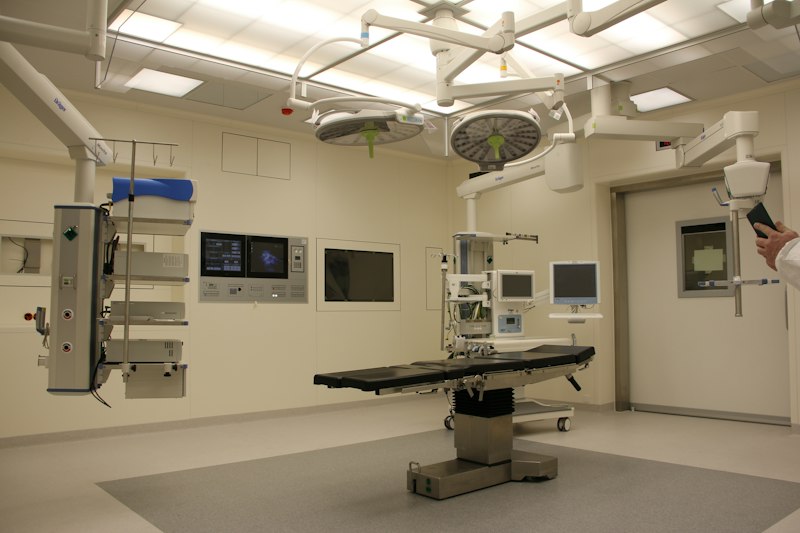
What Physical Premises Requirements Does CQC Actually Check?
Decontamination Room Layout and HTM 01-05
The decontamination room is the single most scrutinised space in any dental inspection. HTM 01-05 is the Health Technical Memorandum published by NHS England that governs decontamination in primary care dental settings. It specifies not just the equipment you need, but how the room must be designed: a physical separation between the "dirty" zone (where instruments arrive after use) and the "clean" zone (where sterilised instruments are stored). CQC inspectors look for physical evidence of that workflow: separate sinks, clearly labelled zones, documented cycle records, and validation certificates for every piece of decontamination equipment.
Water Safety and Legionella Risk Management
Legionella is consistently one of the top three compliance failures found in dental practice inspections. Research in the British Dental Journal identified legionella risk management, decontamination equipment validation, and audit procedures as the most common areas of non-compliance in UK dental practices. Every dental practice must have a written water safety risk assessment covering all water outlets, temperature monitoring records, a schematic drawing of the water system, and a named responsible person for water safety.
Ventilation Standards
Ventilation in dental surgeries must meet specific air-change rates. Clinical rooms handling aerosol-generating procedures require more frequent air changes than standard consultation rooms. CQC does not inspect ventilation engineering directly, but it will ask for your ventilation maintenance records and air quality monitoring data. Practices that cannot produce maintenance records for their HVAC system are raising a red flag in the inspector's notes.
The 3 Most Common Compliance Failures in Dental Practices
- Legionella risk management incomplete risk assessments, missing temperature monitoring logs, or no records of dental unit waterline testing. The risk assessment alone is not enough it needs to be followed by active monitoring records.
- Decontamination equipment validation having an autoclave is not sufficient. It must be annually validated by a competent person, with a Qualified Person for Sterilisation (QPS) report on file and cycle records retained for every working day.
- Audit procedures CQC expects regular clinical audits against recognised standards. Practices that have not conducted a decontamination audit in the last 12 months, or cannot show audit findings resulted in documented improvements, will struggle to evidence compliance.
How Should You Prepare Your Dental Premises?
Preparation for a CQC inspection is a 12-month rolling process, not a two-week sprint before the visit. Monthly: water temperature checks at sentinel taps, decontamination cycle log review. Quarterly: fire alarm test and log, emergency lighting test. Annually: full Legionella risk assessment review, EICR renewal, gas safety certificate, HTM 01-05 decontamination compliance review. Before any CQC registration submission: collect all four building certificates now listed as mandatory.
CQC compliance for dental practices is not primarily a documentation exercise. It is a building management challenge. The physical premises are where compliance is won or lost. Practices that treat premises management as an ongoing operational function consistently achieve better ratings and face fewer enforcement actions.
Releted Tags

Related Post

CQC Compliance for GP Surgeries: What Practice Managers Need to Know in 2026
Most practice managers have their policies filed, their staff training logged, and their s…

Risk Assessments for GP Surgeries: What UK Law Requires and What CQC Will Check in 2026
A risk assessment for GP surgeries is a legal requirement under the Health and Safety at W…

How to Design a Compliant Decontamination Room: HTM 01-05 Layout and Specification Guide
The decontamination room is the single most scrutinised space in any dental inspection, an…
Surgery Premises Group
Surgery Premises Group specialises in property management, compliance, and refurbishment for GP surgeries and dental practices across the UK. Our team writes on CQC compliance, statutory risk assessments, and clinical premises renovation to help practice managers keep their buildings safe, compliant, and fit for patient care.